


 6 Min Read


ChatGPT Go Unboxed: What it is And Why it’s Trending
Somewhere this morning, on this world, and probably between a lukewarm coffee and a doom-scroll, a student, a freelancer, and a bored office worker all did the same thing: opened ChatGPT, hit the “you’ve hit your limit” wall, and quietly cursed the universe. The free plan felt too small. The fancy plans – Plus, Pro – felt like buying a spaceship to go to the grocery store.
Then along came ChatGPT Go, the awkward middle child that, for once, actually makes sense.
This is not a new app. Not a secret website. Not a cousin of TikTok. ChatGPT Go is just a new price tier sitting inside the same ChatGPT you already know, with more power than the free version, fewer costs than the fancy versions, and a name that sounds like a mobile game where cartoon robots chase you around.
But it’s trending for real reasons, not just because people like shiny new things.
So, What Exactly Is ChatGPT Go?
ChatGPT Go is OpenAI’s budget-friendly subscription plan; think “premium-lite” or “ChatGPT with training wheels removed but still affordable.”
Instead of:
- Free plan: limited messages, smaller model, tiny memory.
- Plus/Pro: more power, more usage, more money.
You get:
- A middle-tier plan with access to GPT‑5, more usage, more memory, more tools, at a price that doesn’t make a student sell a kidney. So, that’s something, isn’t it!
It’s built into the same ChatGPT interface on web, desktop, and mobile. You don’t download “ChatGPT Go” as a separate thing. You just log in, click Upgrade, and select Go from the plans list.
In short: same house, nicer room, cheaper rent! Hooray!
Why Is Everyone Suddenly Talking About It?
Because, for once, the pricing ladder feels… sane.
The free version is fine until you actually try to do real work with it: research, content, coding, data analysis. Then you smack into limits. The Plus/Pro plans are powerful, but at around $20 or more per month, that’s not pocket change for folks in price-sensitive countries or people just starting out.
ChatGPT Go aims directly at:
- Students
- Freelancers
- Solo creators
- People in developing markets
In India, for example, it’s priced around ₹399/month, roughly $4.50. In places like Brazil, Indonesia, Bolivia, Nicaragua, and other regions with (very) varied purchasing powers, it opens the door to advanced AI without demanding a big-city salary.
That’s the “why it’s trending” in one sentence: it makes real AI power available to people who were previously stuck on the sidelines. And OpenAI saves face too, despite not being fully ‘open’ or transparent about what it’s up to in different regions globally and across its own intricate structure.
What Do You Actually Get with ChatGPT Go?
Under the hood, ChatGPT Go is not just a “little upgrade.” It comes packed with things that used to live behind the grown‑up paywall.
Here’s the good stuff:
-
Access to GPT‑5
The newest, most advanced model in OpenAI’s lineup—better reasoning, more accurate responses, improved language understanding. Good for coding, content, data work, or just pestering it with complicated questions about life.
-
10× higher usage limits
More messages, more image generations, more file uploads than the free plan. Translation: fewer “limit reached” messages just when you’re in the flow.
-
Multimodal tools
You can upload spreadsheets, docs, PDFs, images, and let the model analyze or transform them; directly in chat. It can visualize data, summarize files, and do Python‑powered analytics.
-
2× more memory
The system remembers more of what you said earlier in the conversation. That means better context over longer chats and more personalized responses over time.
-
Image generation and editing
You can generate images and tweak them with AI; useful for marketers, teachers, and content creators who don’t want to wrestle with design tools all day.
Basically, the phrase “ChatGPT Go features” has become shorthand for “the stuff people actually want from AI, at a price they can actually pay.”
Why Is It Such a Big Deal in Developing Markets?
This is where things get interesting.
OpenAI rolled ChatGPT Go out to users in 98 eligible countries, including India and Indonesia, but not the United States yet. That’s not an accident. It’s a strategy.
In a lot of these regions:
- Credit cards aren’t as universal.
- Income levels vary wildly.
- A $20/month subscription can feel like a luxury item.
So ChatGPT Go:
- Comes at a low monthly price.
- Supports local payment methods like UPI in India (Google Pay, PhonePe, and the like.)
- Offers a “credits for flexible usage” system so people can buy extra tools (like Codex for coding or Sora for video) without upgrading to the highest tier.
In other words, “affordable AI access” isn’t just a slogan—this tier is OpenAI’s attempt at democratizing advanced AI across markets that were half‑locked out before.
How Is ChatGPT Go Different from ChatGPT Plus?
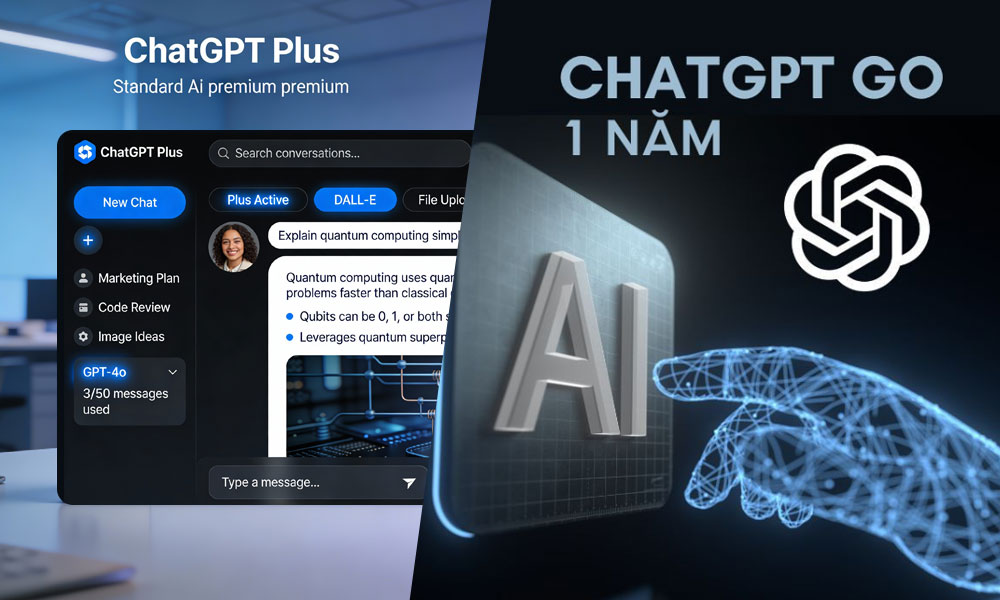
They both live in the same universe, but they serve different species.
From the breakdown:
- Price
- Go: around ₹399/month (~$4.50 in India).
- Plus: around ₹1999/month (~$20).
- Model Access
- Go: GPT‑5.
- Plus: full access to GPT‑4o and higher‑priority model access.
- Usage and Priority
- Go: 10× more usage than free, good limits for heavy individuals.
- Plus: higher priority, extended limits, designed for power users.
- Enterprise & Connectors
- Go: more for individuals and small creators.
- Plus/Pro: aimed at researchers, teams, enterprises, and people who live inside AI all day.
You can think of ChatGPT Go vs ChatGPT Plus like this:
- Go = daily-driver AI for serious individuals.
- Plus = performance mode for professionals and companies.
Why Is It Trending Beyond Just “Tech People”?
Because it quietly solves three very human problems:
- The “I want to try serious AI but I’m broke” problem
Go makes advanced features accessible without the “enterprise” price tag. - The “Free is too small, Plus is too big” problem
It fills the gap. Not basic, not overkill. Just enough. - The “I live in a country the pricing forgot” problem
Regional pricing and accessibility tweaks make AI feel less like a luxury import and more like a local tool.
That’s why people are writing threads, blogs, and hot takes about ChatGPT Go. It’s not just another feature. It’s a structural change in who gets to play with high‑end AI.
Should You Care, Personally?
If you:
- write, design, code, research, teach, or run a small business;
- have outgrown the free plan but can’t justify a $20+ subscription;
- live in a region where currency conversion makes SaaS painful—
then yes, you probably should care.
ChatGPT Go is basically OpenAI saying,
“Here, have most of the good stuff, at a price that doesn’t require a finance department.”
It’s not perfect. It doesn’t include everything Plus/Pro users get; no Sora yet, no full enterprise connectors. But for a huge number of people worldwide, it’s the first time advanced AI is practically and financially within reach.
That’s why it’s trending. Not because it’s new. But because, it’s actually fair. Stick around to Remote Resource for more easy breakdowns of complicated subjects. Our blogs provide you with detailed how-tos and more!
